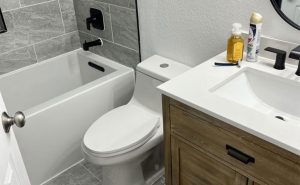
A tired old bathtub slowly changes the feeling of the whole bathroom. Stains grow, chips spread, taps drip, and every soak feels a little less relaxing. At the same time, the thought of a full bathtub replacement can feel heavy on the budget. This moment creates a quiet tension in many homes, and it often sits there for years. A clear, simple path helps lift that weight so you can protect your wallet, your comfort, and your home.
This guide walks through bathtub repair and bathtub replacement in plain language. Every part stays focused on what matters most to you: saving money, keeping your family safe, and enjoying a bathroom that feels clean, solid, and easy to live with.
Why An Aging Bathtub Matters More Than It Seems
An old bathtub affects your daily life far beyond its looks. Over time, it can start to:
- Raise your stress because stains, chips, and worn caulk keep catching your eye every day.
- Lower your comfort because a rough or sagging surface makes baths less pleasant.
- Increase safety risks because slippery surfaces, loose grab bars, or wobbly edges increase the chance of slips.
- Threaten the structure around it because small leaks often soak into walls and floors.
- Reduce home appeal because buyers pay attention to bathrooms during walk-throughs.
By taking this seriously, you protect more than a tub. You protect your routine, your loved ones, and the value of your home. That is the real reward behind any repair or replacement choice.
Clear Signs That Bathtub Repair Still Makes Sense
Repair often gives strong value when the tub body still feels solid. In these cases, repair stretches the life of what you already own and keeps money in your pocket.
Repair usually serves you well when:
- The damage is small and local
Light chips, hairline surface cracks, and small rust spots near the drain often respond well to patching and refinishing. This keeps water out of deeper layers and restores a smoother surface. - The finish looks tired, but the shell is strong.
A tub that feels sturdy but looks dull, stained, or yellowed can often be resurfaced. Resurfacing refreshes the coating so the tub feels cleaner and more inviting without the cost of new plumbing lines. - The main issues sit around the tub, not inside it.
Peeling caulk, loose tiles around the rim, or minor grout gaps often call for focused repair work. Fixing these areas protects walls and floors from moisture and saves you from bigger structural bills later. - Fixtures cause the trouble, not the tub
Dripping faucets, weak shower heads, and slow drains often need fixture repair or replacement, not a new tub. New taps, improved drain parts, and better overflow covers give daily comfort with a modest spend.
Repair in these situations often brings quick relief and stretches the life of your bathroom without turning it upside down. Your gain comes through lower cost now and a delay in major renovation later.
Clear Signs That Bathtub Replacement Protects Your Budget Long Term
Sometimes, repair becomes a short-lived patch. In those cases, a full bathtub replacement can save you money and your home over the long run.
Replacement often makes sense when:
- Cracks run deep through the shell.
Wide or deep cracks signal that the tub structure has weakened. Even if a patch holds for a while, the stress inside the material often returns. Replacing the tub in this state protects the surrounding walls and floors from ongoing leaks. - Rust keeps coming back.
Heavy rust around the drain or overflow shows that water has reached the metal layers. Surface fixes on deep rust rarely last. A new tub stops this ongoing breakdown and removes the risk of hidden corrosion. - The tub never feels clean, even right after scrubbing.
Extremely worn finishes hold grime and soap film. When cleaning takes too much effort, and the surface still looks dull, a new tub saves time and cleaning supplies over many years. - The tub feels the wrong size or shape for your body.
A tub that feels too shallow, too narrow, or awkward makes every soak less pleasant. A replacement that fits your needs supports comfort, aging in place, and daily ease, which matters more with each passing year. - Water damage already shows around the tub.
Soft floors, loose tiles, swollen trim, or musty smells point to long-term leaks. In that case, a full replacement with proper sealing and support often costs less than constant repair attempts.
In these situations, replacement feels like a bigger step at first. However, it often removes a repeating source of stress and expense. Your future self avoids repeated repair visits and ongoing worry about what sits behind the walls.
Simple Cost Comparison In Everyday Terms
Costs vary, yet a few simple ideas help you weigh bathtub repair against bathtub replacement.
Typical repair costs cover
- Surface patching of chips and small cracks
- Resurfacing or refinishing of the tub interior
- New caulk and grout around the tub edges
- Replacement of faucets, shower heads, and drain parts
These repair steps usually cost less than full replacement and often can be completed faster. As a result, you spend less now, and your bathroom downtime stays shorter.
Typical replacement costs cover
- The new bathtub itself
- Removal and disposal of the old tub
- Adjustments to plumbing connections and support framing
- New wall panels or tile around the tub
- Fresh caulk, grout, and trim
Replacement costs more up front, but often lowers your repair needs for many years. In many homes, a strong modern tub with tight plumbing avoids drip-related damage, mold growth, and repeat service calls. That long view often saves money over time.
A good rule of thumb works like this. When repair costs approach a large portion of replacement costs, replacement usually delivers better long-term value, especially when you plan to stay in the home for many years.
Everyday Bathtub Repair Options In Plain Language
Many homeowners feel more relaxed once they know what bathtub repair actually involves. Common repair options include:
- Recaulking and regrouting
Old caulk and grout break down and let water in. Fresh bead lines and new grout seal those gaps, guard the structure, and make the tub look sharper again. - Chip and crack repair kits
For fiberglass and enamel tubs, repair kits rebuild small damaged spots. When done with care, these spots sit almost level with the original surface and slow further damage. - Professional resurfacing or refinishing
Skilled refinishers sand and clean the old surface, then apply new coatings. This process can refresh an entire tub, change color, and extend its life without replacing the shell. - Fixture upgrades
New faucets, shower heads, and drains not only cut leaks but also improve water flow and temperature control. Daily baths feel smoother and more enjoyable.
Each of these repair paths aims to stretch the life of your existing tub. Instead of living with constant annoyance, you gain a more pleasant bath while still spending less than the full replacement cost in the short term.
Safety, Comfort, And Home Value Benefits
A thoughtful bathtub decision touches three big parts of your life.
For safety
- A solid, stable tub with firm supports lowers the chance of falls.
- Fresh non-slip surfaces and sturdy grab bars help children, older adults, and anyone with limited movement.
- Tight caulk and sound plumbing lower the risk of hidden mold growth that can affect breathing.
For comfort
- A smooth, clean surface helps the body relax more fully at the end of the day.
- Adequate back support, length, and depth let you soak without strain.
- A tub that drains well and fills quickly saves time and keeps each bath pleasant.
For home value
- Bathrooms strongly influence buyer impressions.
- A clean, solid tub suggests a well-cared-for home.
- Modern fixtures and fresh finishes often raise perceived value far beyond the materials cost.
By thinking about safety, comfort, and value together, your choice starts to feel less confusing. You see how each path affects daily life and future plans, not just the bill in front of you.
Simple Steps To Reach A Confident Bathtub Decision
A clear process helps you move from doubt to firm action.
Follow these steps:
- Study the tub surface under bright light.
Look for deep cracks, soft spots, heavy rust, and patches that seem to fail. A mostly solid shell with light wear tilts toward repair. A tired structure with large damage tilts toward replacement. - Consider daily comfort for everyone in the home.
Think about how each person feels while bathing. If the tub feels cramped, too high to step over safely, or hard on joints, a new tub with easier access often brings strong daily benefits. - Check the area around the tub.
Press gently on the floor and walls near the tub. Soft spots, swelling, or loose tiles mean water has already spread. In that case, full replacement with repair of hidden damage guards your home more effectively. - Map out your budget and your time frame.
Decide how much you feel comfortable spending now and how long you plan to stay in the home. A long stay with heavy wear often supports replacement. A short stay or light use often leans toward repair. - Seek guidance from a qualified plumber or bathroom specialist.
A seasoned eye can see issues that hide under the surface. Photos, inspections, and honest conversations about your goals help you choose the path that gives the best mix of safety, comfort, and cost control.
Each step brings you closer to a calm, informed choice that respects both your budget and your home.
Final Verdict
An aging bathtub does not need to control your mood, your wallet, or your future plans. Repair offers strong value when the tub structure remains solid, and the main issues sit in the surface, caulk, or fixtures. Replacement serves you better when structural cracks, heavy rust, serious leaks, or deep comfort issues keep returning. By weighing repair cost against long-term performance, you gain a clear view of what supports your family, your routine, and your home value.
Many homeowners rely on trusted local teams such as Go With The Flow Plumbing & Drains for clear guidance on this decision. A visit, an inspection, or even a review of photos can reveal whether a focused repair or a full bathtub installation will serve you best. With the right information and support, your next bath can feel safer, cleaner, and more relaxing, while your budget stays under your control.